
Protect Your Fence This Fall: How Staining and Sealing Helps Prevent Winter Damage
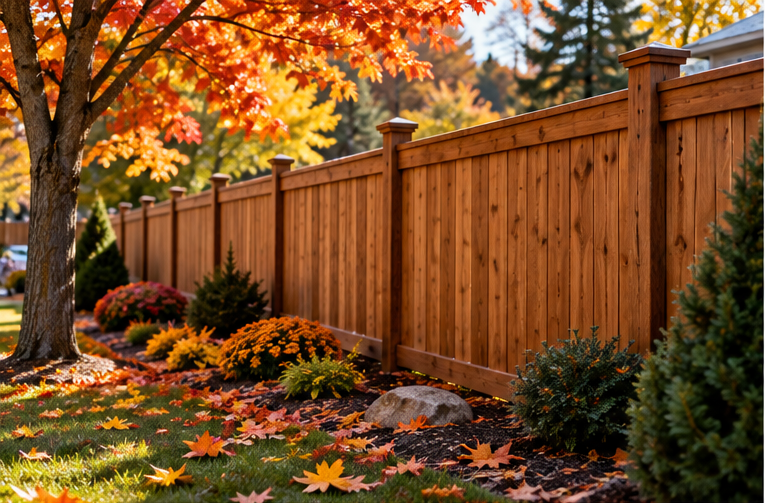
Your wooden fence works hard all year long.
It provides privacy, defines your property and adds warmth and character to your outdoor space.
But as fall gives way to winter, that fence is about to face some of the toughest conditions of the year.
Snow. Ice. Freezing temperatures. Road salt. Moisture.
Without adequate protection, winter weather can take a toll on exposed wood. Fall is an ideal time to inspect, clean, stain and seal your fence so it has an added layer of protection before harsh weather arrives.
Here’s why a little attention now can make a big difference come spring.
Winter Moisture Is the Enemy of Unprotected Wood
Wood naturally absorbs moisture. When a fence is left exposed to rain, melting snow and ice, that moisture can penetrate the wood fibers.
Then temperatures drop.
Water within the wood can freeze and expand, while warmer periods allow it to thaw again. Repeated exposure to moisture and freeze-thaw conditions can contribute to cracking, splitting, warping and deterioration over time.
A properly maintained protective finish helps limit moisture penetration and gives your fence a better defense against the elements.
Snow and Ice Can Keep Your Fence Wet for Extended Periods
A passing summer rainstorm may soak your fence, but warmer temperatures and sunlight can help it dry relatively quickly.
Winter can be different.
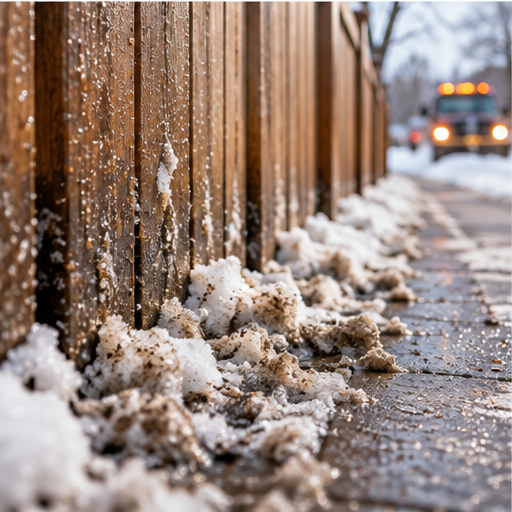
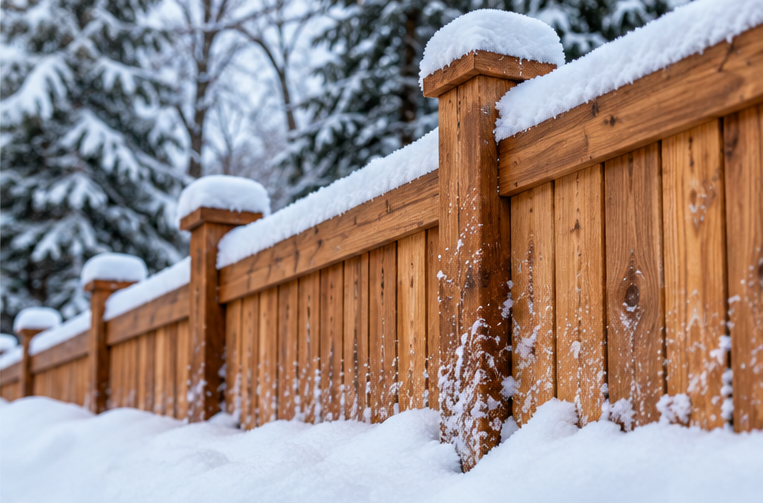
Snow can accumulate against fence boards and posts and remain there for days or weeks. Melting snow may repeatedly introduce moisture to the same areas, particularly near the bottom of the fence.
That makes fall preparation especially important. Cleaning the wood and applying an appropriate stain and sealer before winter can help create a protective barrier between your fence and prolonged seasonal moisture.
Don't Forget About Salt Exposure
If your fence is located near a road, sidewalk, driveway or other treated surface, winter brings another potential concern: salt and deicing products.
Passing vehicles, snowplows, shoveling and snowblowers can send salty slush onto nearby fencing. Even routine snow removal around your property can push contaminated snow against wooden posts and boards.
Over time, repeated exposure to salt, moisture and winter grime can be hard on exterior surfaces.
When clearing snow, avoid piling heavily salted snow directly against your wooden fence whenever possible. Cleaning and protecting the wood before winter provides another important line of defense.
Start With a Thorough Fall Fence Cleaning
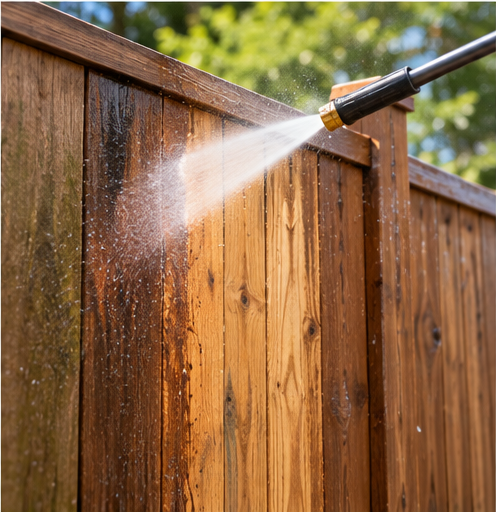
Before staining or sealing, your fence needs a clean surface.
Throughout spring and summer, wood can accumulate dirt, algae, mildew and other contaminants. Applying a new finish over a dirty surface can interfere with how evenly the product penetrates and performs.
Professional wood washing can remove buildup and prepare the surface for staining and sealing without unnecessarily damaging the wood.
It's also a great opportunity to restore the appearance of a fence that has become weathered, dingy or discolored.
Inspect and Repair Your Fence Before Winter
Once the fence is clean, take a closer look.
Check for loose boards, damaged pickets, raised fasteners, cracking, splintering, leaning posts and signs of deterioration. Pay particular attention to the bottom of the fence and areas around posts where moisture tends to collect.
Addressing minor issues in the fall may prevent them from becoming larger repairs after months of snow, ice and freezing weather.
Stain and Seal for Added Winter Protection
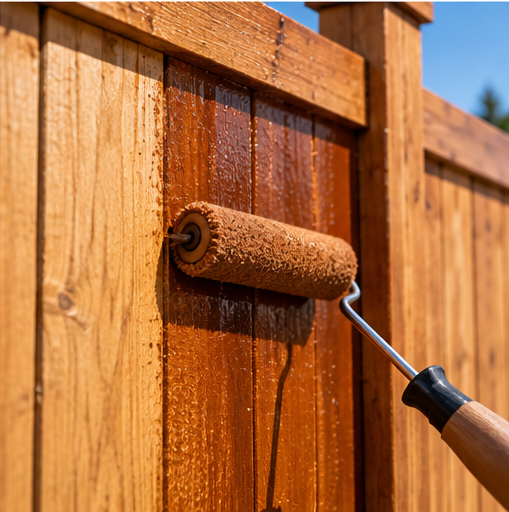
Staining your fence isn't simply about making old wood look new again.
The right stain can enhance the natural appearance of the wood while helping protect it from moisture and UV exposure. A quality water-repellent finish helps reduce the amount of water the wood absorbs during wet weather.
That means your fence heads into winter better prepared for the conditions ahead.
If you're wondering whether your fence still has adequate protection, try observing what happens when the wood gets wet. If water readily soaks into the surface rather than beading or shedding, it may be time to have the finish evaluated.
Fall Is the Time to Think About Spring
It can be easy to look at your fence in October and think, I'll deal with it next spring.
The problem is that winter happens in between.
Taking care of your fence before months of snow, ice and moisture arrive can help preserve the wood and maintain the appearance of your property.
And when spring finally returns, you'll be ready to enjoy your backyard instead of immediately adding fence restoration to your to-do list.
Protect Your Outdoor Wood with Deck Rescue
Your deck isn't the only outdoor wood surface that needs protection.
Deck Rescue professionally washes, stains and seals wooden fences, decks and other exterior wood structures, helping homeowners protect their investment and keep outdoor spaces looking their best season after season.
Fall weather won't last forever—and neither will the opportunity to prepare your outdoor wood before winter.
Contact your local Deck Rescue today to schedule your fence cleaning, staining and sealing service before winter weather arrives.